Power International Export

 
Please Register For Wholesale Orders  Call +90 544 588 99 59 for help!
 

How to Import Construction Materials from Turkey?

Importing construction materials from Turkey to Africa is one of the smartest sourcing decisions a developer, contractor, or hardware distributor can make in 2026. Turkey combines European-grade manufacturing standards with competitive pricing and reliable logistics — making it the leading building materials supplier for African markets. This guide walks you through every step of the process, clearly and practically.
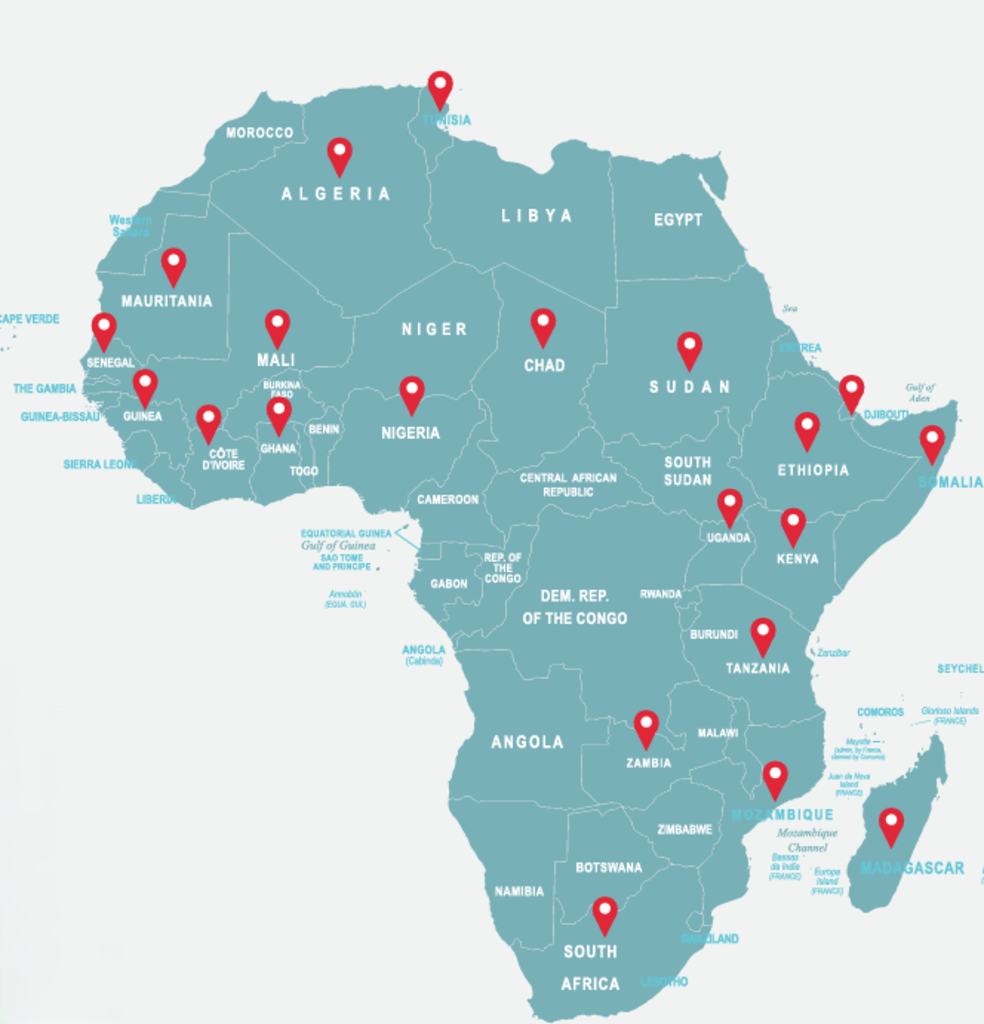
Table of Contents

Why African Buyers Choose Turkey for Construction Materials

Turkey has become a global hub for wholesale building materials export, and African buyers are driving a significant share of that demand. The reasons are straightforward:

  • Price-to-quality ratio that outperforms European and Chinese alternatives
  • A wide product range: ceramic tiles, steel doors, aluminum profiles, WPC panels, insulation materials, sanitary ware, and more
  • Proximity to African ports via established sea freight routes
  • Strong government support for Turkish exports through trade agreements

Countries like Nigeria, Kenya, Tanzania, Ghana, Ethiopia, and Ivory Coast are among the fastest-growing importers of Turkish building materials in Africa.

Türkiye

“Choose quality, affordability, and reliability for your next project.”

Türkiye

Step 1: Define Your Construction Material Needs

Before reaching out to any supplier, clarity is everything. Ask yourself:

  • What specific materials do you need? (e.g., floor tiles, interior doors, plasterboard, aluminum windows)
  • What quantity are you ordering? (Most Turkish exporters work with minimum order quantities suited for container loads — typically 20ft or 40ft)
  • What are your quality and certification requirements? (Look for CE certification, ISO standards, or product-specific compliance)

Having a clear product list with dimensions, quantities, and finish preferences will save time and reduce costly errors.

Step 2: Find a Reliable Turkish Construction Materials Supplier

This is the most critical step. The Turkish market has thousands of manufacturers and trading companies — not all of them are export-ready or Africa-experienced.

When evaluating a Turkish building materials exporter, verify:

  • Export history to African countries
  • Product certifications and quality documentation
  • Ability to handle international freight forwarding and customs paperwork
  • References or case studies from African clients
  • Transparency on pricing, lead times, and payment terms

Working with an established Turkish export company that specializes in Africa like Power International Export eliminates the guesswork and reduces risk significantly.

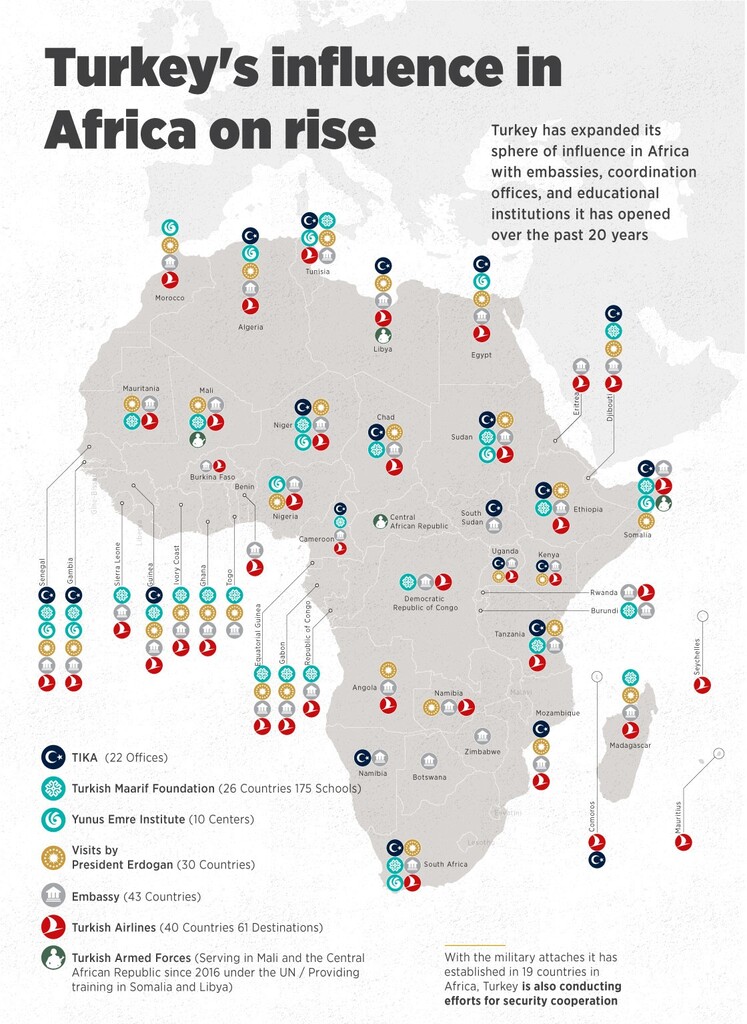
Türkiye in Africa

“Choose quality, affordability, and reliability for your next project.”

Türkiye in africa

Step 3: Request Quotations and Compare Offers

Once you have shortlisted suppliers, request a detailed pro forma invoice that includes:

  • Unit prices (FOB or CIF)
  • Packaging and labeling specifications
  • Estimated production and shipping lead time
  • Payment terms (T/T, Letter of Credit, etc.)

Always compare at least two to three offers. Pay close attention to CIF pricing (Cost, Insurance, and Freight) if you want a full landed-cost picture before committing.

Step 4: Arrange Shipping and Logistics to Africa

Sea freight from Turkey to Africa is the standard method for bulk construction material shipments. Major Turkish export ports — Istanbul, Mersin, and İzmir — have regular lines to:

  • West Africa: Lagos (Nigeria), Tema (Ghana), Abidjan (Ivory Coast), Dakar (Senegal)
  • East Africa: Mombasa (Kenya), Dar es Salaam (Tanzania), Djibouti (Ethiopia gateway)

Transit times typically range from 15 to 35 days depending on destination. A reliable supplier or freight forwarder will handle the Bill of Lading, packing list, certificate of origin, and customs declaration documents on your behalf.

Türkiye

Conclusion

Sourcing construction materials from Turkey gives African developers a genuine competitive advantage — better margins, stronger product quality, and a reliable supply chain. The key is choosing the right export partner from day one.

At Power International Export, we handle the entire process — from product sourcing and quality control to shipping and documentation — so you can focus on building.

FAQ

The most commonly imported Turkish construction materials in African markets include ceramic and porcelain tiles, steel and aluminum doors, WPC panels, plasterboard, insulation materials, sanitary ware, and aluminum window profiles. These products are preferred for their European-grade quality, competitive pricing, and wide availability in large wholesale quantities.

Most Turkish building materials exporters work on a container basis. A standard 20-foot container is typically the minimum order unit, which is suitable for smaller projects or first-time buyers. For larger projects, a 40-foot container offers better cost efficiency per unit. Your supplier should clearly state MOQ requirements in the pro forma invoice.

Sea freight transit times from Turkey to Africa vary by destination. Shipments to West Africa (e.g., Nigeria, Ghana) typically take 20 to 30 days, while East African ports like Mombasa or Dar es Salaam can be reached in 15 to 25 days. Factors such as port congestion, transshipment hubs, and customs clearance may affect the final delivery timeline.

Yes. Standard documentation for importing building materials from Turkey includes a Commercial Invoice, Bill of Lading, Packing List, and Certificate of Origin. Some African countries additionally require a Pre-Shipment Inspection Certificate or product conformity documentation. It is highly recommended to work with a licensed local customs broker to ensure full compliance and avoid port delays.

Select the fields to be shown. Others will be hidden. Drag and drop to rearrange the order.
  • Image
  • SKU
  • Rating
  • Price
  • Stock
  • Availability
  • Add to cart
  • Description
  • Content
  • Weight
  • Dimensions
  • Additional information
Click outside to hide the comparison bar
Compare
Shopping cart close