

TL;DR: Choosing a construction materials supplier in 2026 is about supplier control, documentation, product bundling, logistics, and landed cost, not only factory price. Wholesale buyers, contractors, distributors, and project procurement teams should define the product mix, request comparable RFQs, verify compliance documents, plan consolidation, and protect timelines before placing a bulk order. This guide explains how to compare a building construction materials supplier, work with a direct supplier of construction materials, and use Turkey as a practical sourcing base for multi-category procurement.
What Has Changed for Construction Materials Sourcing in 2026?
Construction buyers are under pressure to control costs while keeping projects on schedule. Freight rates, currency movement, local compliance rules, and product availability can change quickly. That means a buyer needs more than a cheap quote. The supplier must be able to confirm specifications, provide documents, coordinate packaging, and support repeat orders. In 2026, procurement teams also need better consolidation. A project may require tiles, plumbing products, electrical cables, aluminium profiles, chemicals, sanitaryware, insulation, hardware, and finishing materials. Buying each category from a separate supplier can work, but only if someone manages timing, documents, and shipment coordination.
Which Materials Should Buyers Bundle?
The best categories to bundle depend on the buyer’s business model. A distributor may prioritize repeatable fast-moving products. A contractor may need project-specific items. A hotel, housing, or commercial project may need a full package that includes rough-in materials and visible finishing products.
| Bundle group | Common products | Procurement advantage |
|---|---|---|
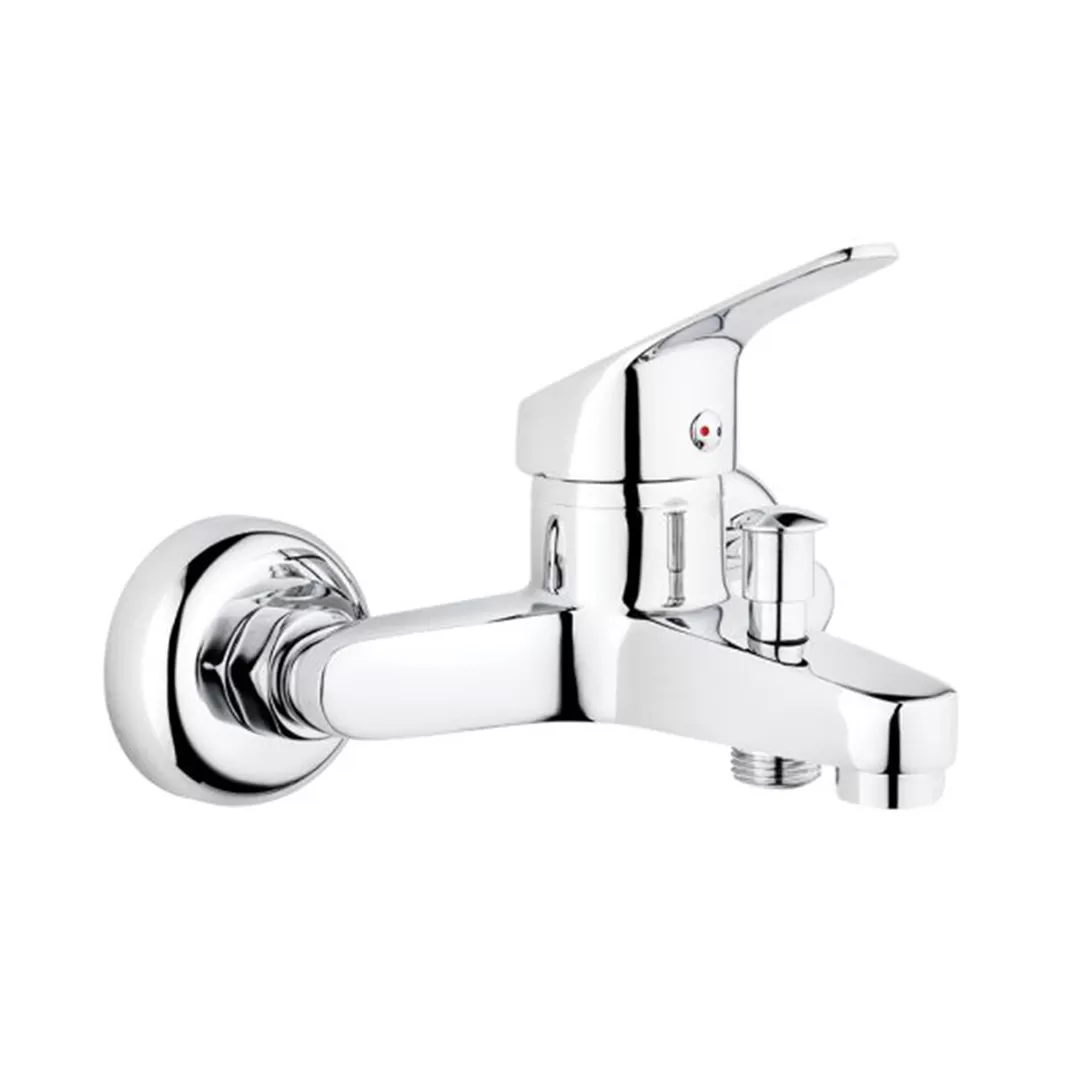
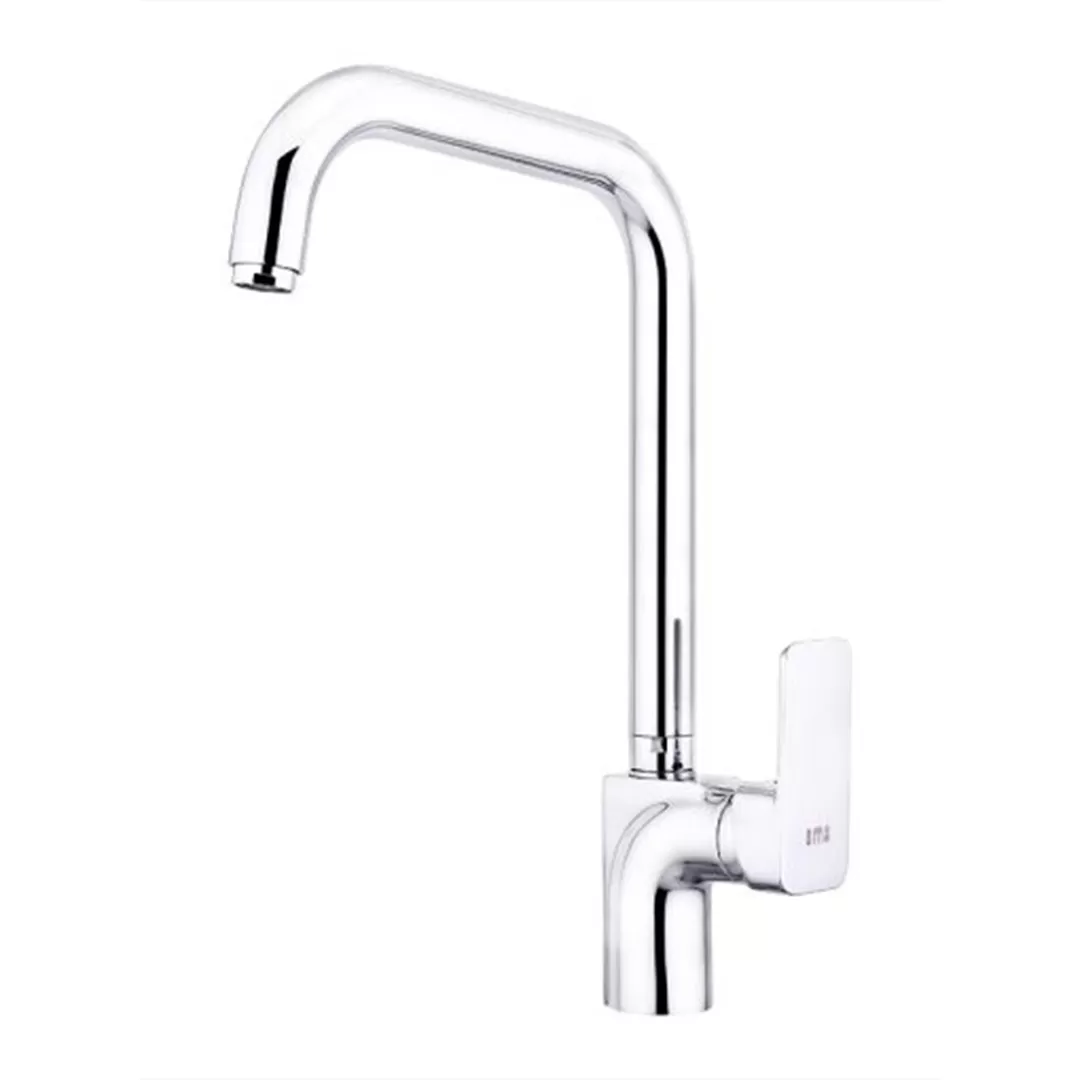
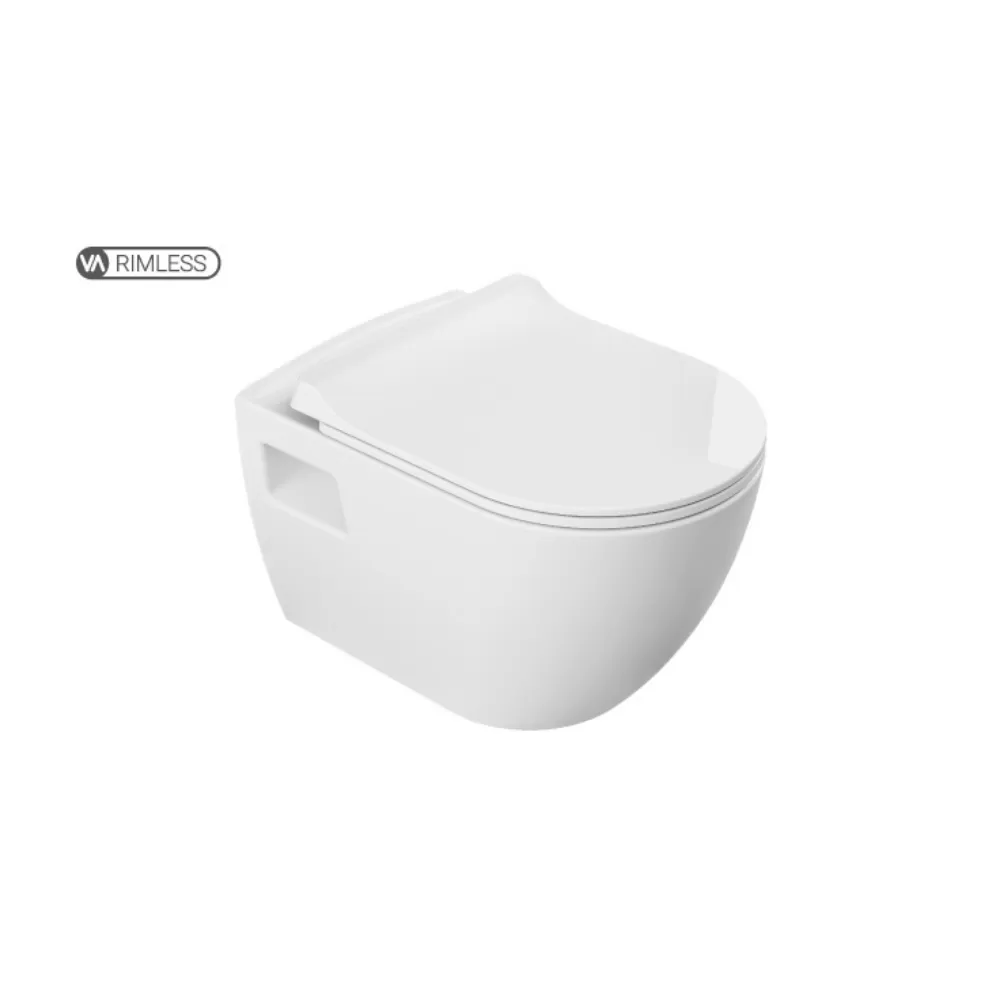
| Finishing materials | Ceramic tiles, sanitaryware, bathroom products, doors | Better design consistency and container planning |
| Technical materials | Electrical cables, plumbing products, fittings, valves | Cleaner RFQs, compliance checks, and batch control |
| Project support materials | Aluminium profiles, construction chemicals, adhesives, hardware | Fewer split shipments and easier document coordination |
For tile-heavy orders, use the bulk ceramic tile sourcing guide. For plumbing packages, use the wholesale plumbing products guide to structure fittings, fixtures, and spare parts.
How to Choose a Construction Materials Supplier
A supplier of construction materials should be judged on category fit, export experience, quote discipline, documentation, and operational reliability. Start by asking whether the supplier works with your exact category mix. A company strong in tiles may not be the best partner for cables. A company that can consolidate from multiple Turkish manufacturers may be better for mixed orders.
- Check whether the supplier understands your product mix and destination market.
- Ask for category-specific documents, not generic quality claims.
- Require line-by-line quotes with quantity, lead time, packaging, and Incoterm.
- Confirm whether the supplier can manage repeat orders and replacement stock.
A strong construction materials supplier helps the buyer compare total cost, not just item price.
RFQ Structure and Landed-Cost Comparison
A strong RFQ makes supplier comparison much easier. It should include product descriptions, quantities, technical specs, drawings or photos where relevant, packaging requirements, destination country, target Incoterm, required certificates, inspection requirements, and expected shipment timing.
- Define product families and exact quantities.
- Attach drawings, photos, or reference samples where needed.
- Request carton, pallet, gross weight, net weight, and volume details.
- Compare EXW, FOB, and consolidated shipment options on the same basis.
- Calculate landed cost with freight, insurance, duty, taxes, handling, and storage.
Documents and Compliance Checks
Documents are a core part of construction sourcing. Depending on product type and destination market, buyers may need commercial invoice, packing list, certificate of origin, bill of lading, test reports, conformity certificates, safety data sheets, technical data sheets, warranty documents, or product-specific declarations.
For electrical categories, use the wholesale electrical cables guide to define cable specs, batch control, and certification questions. For aluminium packages, use the aluminium profile imports checklist to check alloy, temper, finish, tolerance, and packing requirements.
Why Source Construction Materials From Turkey?
Turkey is a practical sourcing market for many construction categories because it has strong manufacturing capacity across tiles, sanitaryware, plumbing, electrical, aluminium, hardware, chemicals, and finishing materials. The advantage is not only product availability. It is the ability to combine several categories into one export workflow when the buyer has the right sourcing partner.
The right comparison should still be based on current quotes, freight, documents, and quality requirements. No market is automatically cheapest for every product. For step-by-step import planning, use TPI’s guide on how to import construction materials from Turkey.
Timeline for a Bulk Construction Materials Order
A realistic timeline begins with scope definition and RFQ preparation. This stage usually takes longer than buyers expect because missing details must be clarified. Next comes supplier comparison, sample review where needed, final technical confirmation, proforma invoice approval, payment, production, inspection, packaging, export documentation, shipment, and customs clearance.
- Simple stock products may move faster.
- Custom finishes, private label packaging, and project-specific profiles need extra time.
- Mixed-category consolidation requires document and loading coordination.
- First orders should include a buffer for sample approval and inspection.
Risk Checklist Before Payment
Before payment, confirm that product list, specifications, quantities, packaging, lead time, Incoterm, documents, and payment terms match the final agreement. Check that the supplier understands the destination market and any special compliance requirement. Ask for production or stock confirmation if the order is urgent.
A direct supplier of construction materials can be efficient, but only when the buyer provides complete specifications early and keeps a clear reorder file for future shipments.
FAQ
What is a construction materials supplier?
A construction materials supplier provides products used in building, renovation, infrastructure, and finishing work. For wholesale buyers, the supplier should also support export documents, packaging, and bulk logistics.
What should I include in a construction materials RFQ?
Include product categories, quantities, technical specifications, destination country, target Incoterm, required certificates, packaging rules, inspection needs, and shipment timing. Drawings or sample references should be added for custom items.
Should I use one supplier for all construction materials?
Use one supplier if they genuinely control the category range and documents. For broad orders, it is often better to use an export partner that consolidates from several vetted manufacturers.
How do I compare building construction materials suppliers?
Compare specifications, MOQ, lead time, documents, packaging, Incoterms, freight impact, and landed cost. Do not compare unit price alone.
How can I reduce landed cost when importing construction materials?
Reduce landed cost by improving container utilization, bundling compatible products, avoiding unnecessary custom specs, confirming documents early, and comparing quotes on the same Incoterm and quantity basis.
Which documents should I check before shipment?
At minimum, check the commercial invoice, packing list, bill of lading details, certificate of origin, and product-specific documents. Chemicals, electrical products, and regulated items may need extra technical or safety documents.
How long does construction material sourcing from Turkey take?
Timing depends on product type, stock availability, customization, samples, and consolidation. Stock products may move faster, while custom profiles, private label packaging, or mixed-category shipments need more planning time.
Can different construction materials be consolidated in one container?
Yes, but compatibility matters. Heavy, fragile, long, chemical, and finished products need separate packing and loading rules. Consolidation works best when carton dimensions, pallet plans, and weight distribution are checked early.
Can Turkey supply multiple construction categories?
Yes. Turkey has strong capacity across tiles, plumbing, sanitaryware, electrical products, aluminium profiles, construction chemicals, hardware, and finishing materials, but each order should still be checked by specification and document requirement.
What is the biggest risk in bulk construction material sourcing?
The biggest risk is approving price before specifications, documents, packaging, and logistics are clear. A cheap quote can become expensive if the goods arrive late, damaged, undocumented, or inconsistent with the approved sample.