Turkish vs. EU and China: Why Turkish Building Materials are the Strategic Choice for 2026 In the high-stakes world of global construction, sourcing decisions no longer revolve around price alone. In 2026, developers, contractors, and project owners must balance cost efficiency, regulatory compliance, logistics reliability, and…
Turkish vs. EU and China: Why Turkish Building Materials are the Strategic Choice for 2026
In the high-stakes world of global construction, sourcing decisions no longer revolve around price alone. In 2026, developers, contractors, and project owners must balance cost efficiency, regulatory compliance, logistics reliability, and customization capacity to protect project margins and timelines.
Historically, the choice was binary:
European suppliers for premium quality at a high cost, or Chinese manufacturers for large volumes at competitive prices but with longer lead times and limited flexibility.
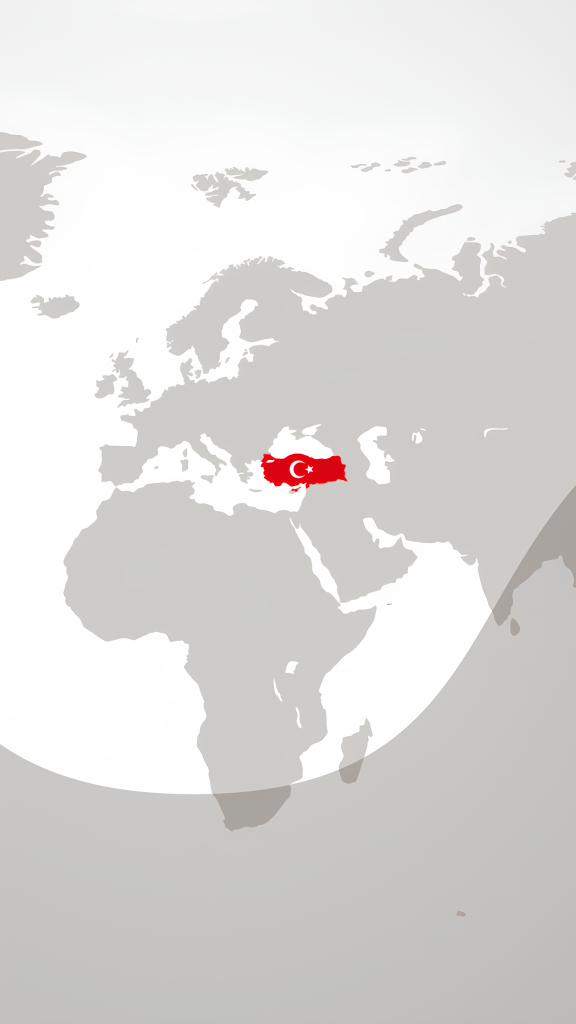
Today, Turkey has emerged as the strategic middle ground, offering European-grade quality, competitive pricing, and logistical proximity, particularly attractive for projects across Africa and the Middle East.
Table of Contents
1. The Cost-to-Quality Equilibrium: European Standards Without European Prices
Turkish building material manufacturers have spent the last two decades modernizing their production infrastructure by integrating European machinery, automation systems, and quality control processes.
Most export-oriented factories operate under:
CE certification for construction products
ISO 9001 / ISO 14001 quality and environmental standards
Compliance with EN norms required for international projects
Unlike mass-production hubs, Turkish factories combine these standards with lower domestic labor, energy, and operational costs, creating a unique pricing advantage.
What this means in practice:
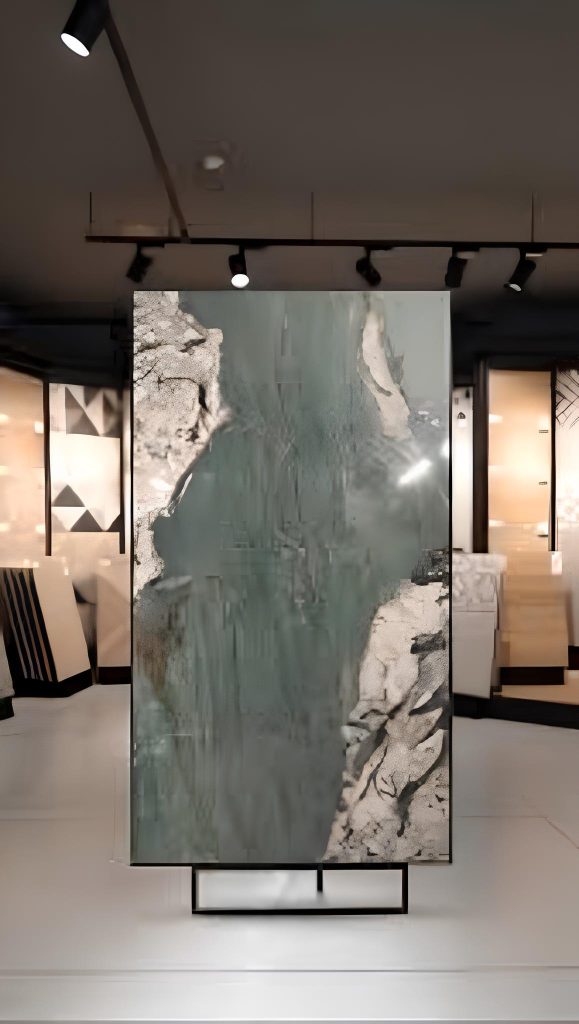
Turkish ceramic tiles, steel products, aluminum systems, doors, and sanitary ware meet international building codes.
Pricing is typically 15–30% lower than EU-sourced alternatives, without compromising compliance or durability.
Products are accepted across international tenders, development banks, and private investment projects.
This equilibrium makes Turkey particularly attractive for mid- to large-scale developments where quality is non-negotiable but budgets are closely monitored.
“Choose quality, affordability, and reliability for your next project.”
2. Logistics & Lead Time: The Proximity Advantage
Logistics efficiency has become a decisive factor in 2026, especially for projects operating under tight construction schedules.
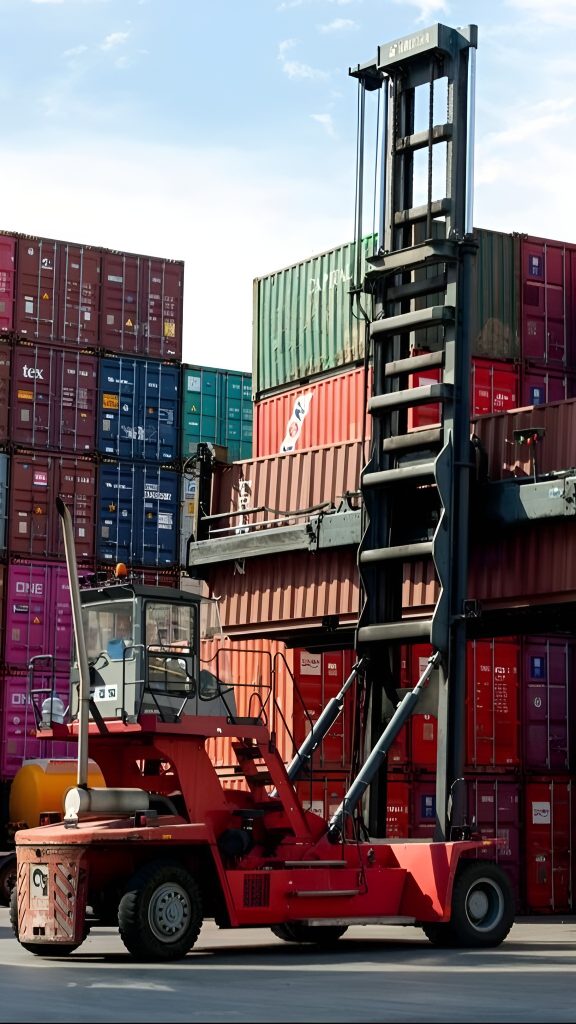
While shipments from China to Africa or the Middle East typically require 35–45 days of sea transit, Turkey’s geographical position dramatically shortens delivery times.
Strategic Logistics Benefits
7–14 days transit time from major Turkish ports such as Istanbul, Izmir, and Mersin
Reduced port congestion compared to major Asian shipping hubs
Lower freight costs due to shorter distances
Reduced risk of breakage and damage critical for ceramics, glass, and finishing materials
For contractors, this translates into:
Faster site mobilization
Lower inventory holding costs
Greater flexibility when project specifications change mid-construction
In volatile global supply chains, proximity is no longer a convenience, it is a risk-management tool.
3. Customization vs. Mass Production: A Critical Differentiator
One of the most common challenges with Asian sourcing is rigid mass-production models.
Chinese suppliers often require:
High Minimum Order Quantities (MOQs)
Fixed designs with limited architectural flexibility
Longer development cycles for custom specifications
By contrast, Turkish manufacturers are known for production agility.
Turkish Manufacturing Flexibility
Smaller production runs accepted
Custom dimensions, finishes, and technical adaptations
Architectural modifications for:
Exterior and interior doors
Smart locking and security systems
Facade and aluminum systems
Faster sampling and approval cycles
This flexibility is especially valuable for:
Mixed-use developments
Hospitality projects
Residential compounds requiring differentiation
Rather than forcing projects to adapt to factory limitations, Turkish suppliers adapt production to project-specific needs.
4. Supply Chain Resilience and Political Stability
Beyond pricing and logistics, developers increasingly assess supply chain resilience.
Turkey benefits from:
A diversified industrial base
Strong trade relationships with Europe, Africa, and the Middle East
Customs union alignment with the EU
Established export infrastructure and banking systems
This stability reduces risks related to:
Sudden export restrictions
Regulatory changes
Payment and documentation delays
For long-term projects, predictability matters as much as cost.
Why Turkey Is the Strategic Choice for 2026
For modern contractors and developers, Turkey offers a balanced sourcing model that few countries can replicate:
EU-level quality and certification
Competitive pricing
Short lead times
Customization flexibility
Resilient, diversified supply chains
In an era where construction delays and cost overruns can erase profits, Turkish building materials provide a strategic advantage, not just a cost benefit.
FAQ
Yes. Most export-oriented Turkish manufacturers comply with CE and ISO standards and use European production technologies, making their quality comparable while remaining more cost-efficient.
Absolutely. Turkish materials are widely used in projects financed by international institutions and private developers across Africa and the Middle East.
Turkish products may be slightly higher than basic Chinese mass-production items, but they offer superior quality, faster delivery, lower logistics risk, and greater customization—often resulting in better total project ROI.
Yes. Turkey has a strong industrial capacity capable of serving large infrastructure, residential, and commercial developments while maintaining flexibility.
Useful for your buying team?
Share or save this guide before the next supplier comparison.