

TL;DR: Wholesale buyers should compare plumbing suppliers by product scope, technical specifications, compliance, spare parts availability, packaging, MOQ, and landed cost, not by unit price alone. The safest process is to define the exact mix of fittings, valves, faucets, drains, sanitaryware, and accessories, send a structured RFQ, confirm certificates and replacement-part support, and work with an export partner that can consolidate products before shipment.
Start With a Wholesale Scope, Not a General Catalog Search
Many buyers start by searching for plumbing suppliers online and then asking for prices on a loose list of items. That creates inconsistent quotes because each supplier may assume different materials, sizes, finishes, pressure ratings, and packaging standards. A wholesale buyer needs a defined scope before price comparison begins. A strong scope separates product families clearly. One project may need PPR pipes and fittings, brass valves, flexible hoses, faucets, shower systems, floor drains, toilet seats, and bathroom accessories. Another distributor may only need fast-moving fittings and replacement parts for local retail inventory. For product browsing, start with TPI’s wholesale plumbing products and then narrow the list by size, material, finish, and use case.
Product Categories Wholesale Buyers Should Define
A complete plumbing order can include rough-in products, visible fixtures, and small accessories. The right mix depends on whether the buyer is serving contractors, retailers, hotels, public projects, or residential developments.
| Category | Typical products | Buyer check |
|---|---|---|
| Rough-in products | Pipes, elbows, couplings, traps, drains, valves | Material, pressure rating, thread standard, size consistency |
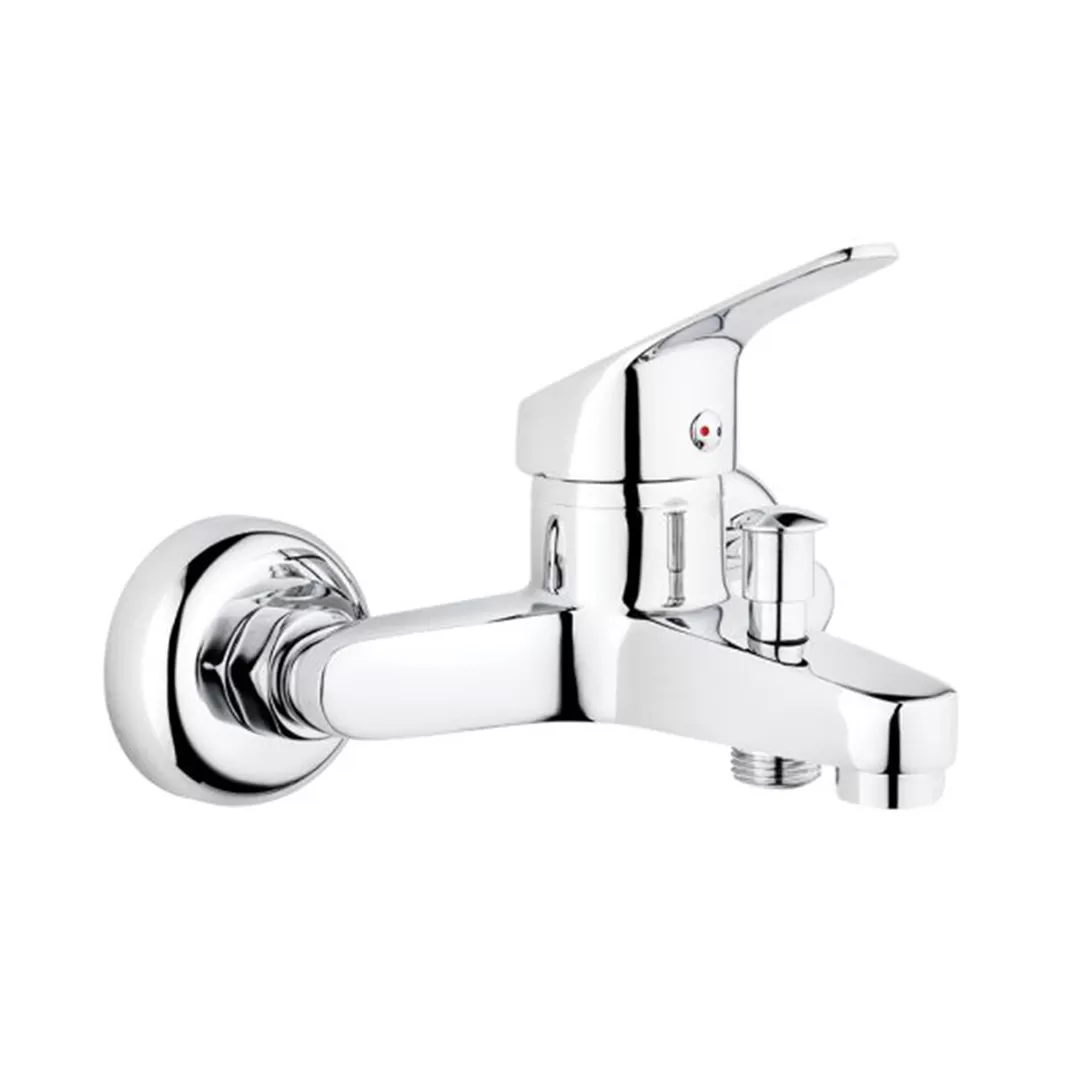
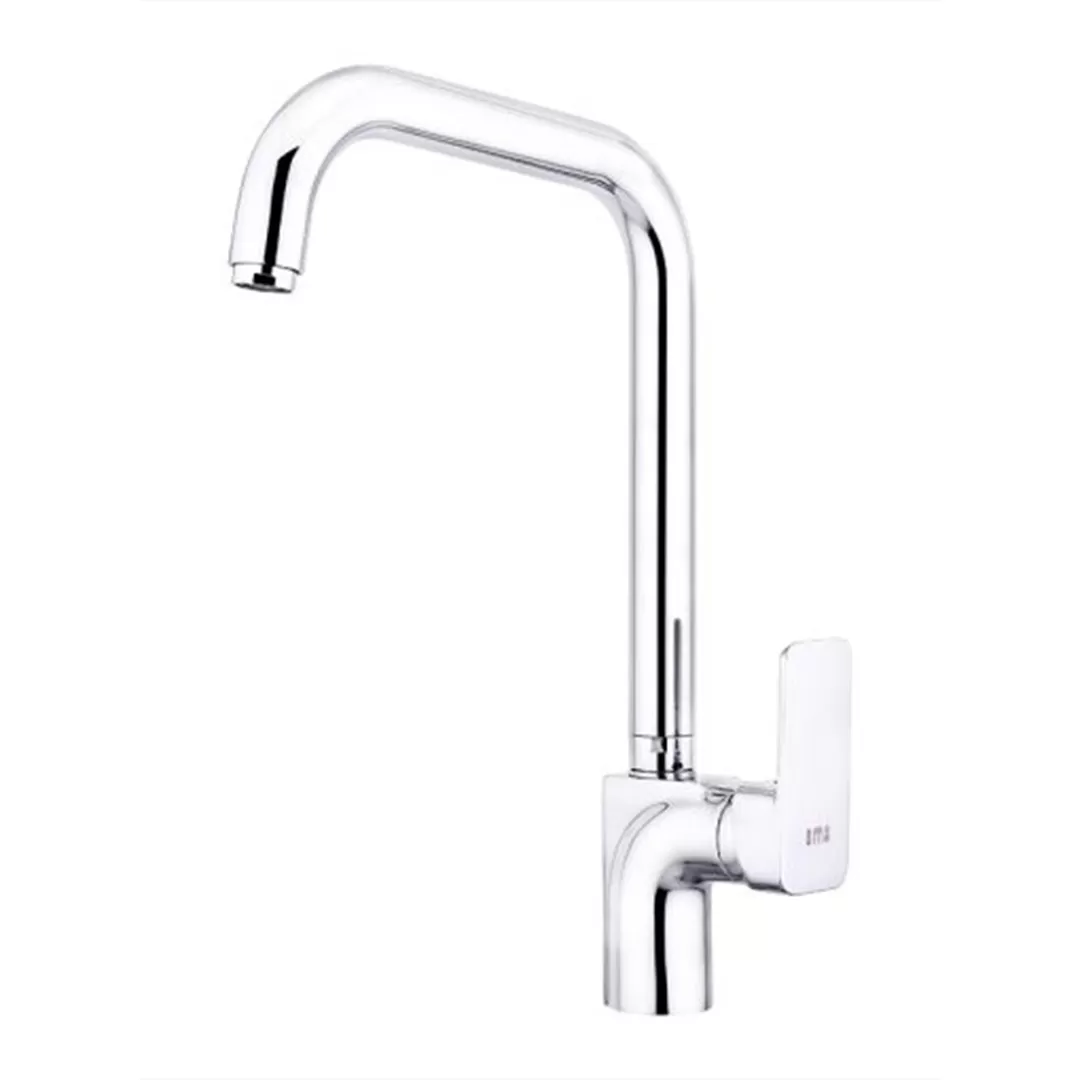
| Visible fixtures | Faucets, mixers, shower sets, bathroom fixtures | Finish durability, cartridge quality, spare parts |
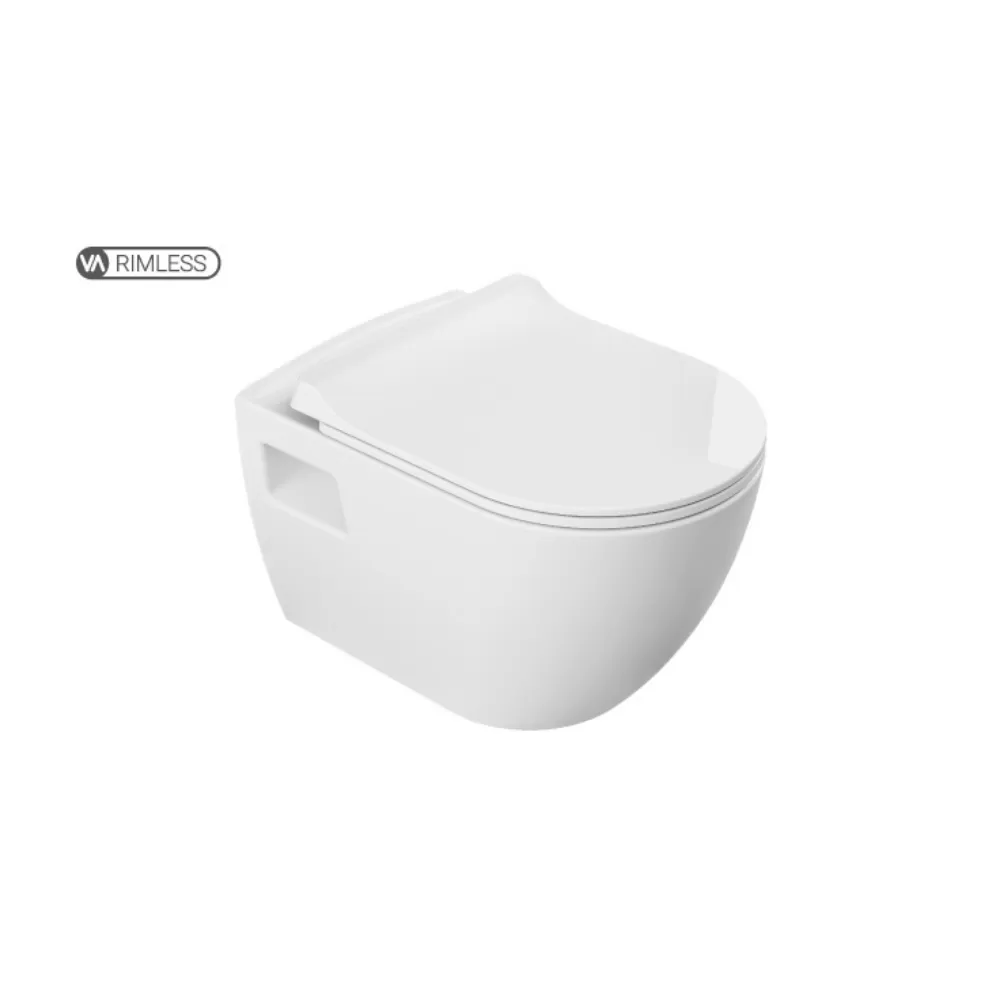
| Sanitary and accessories | Toilet seats, hoses, bathroom accessories, floor drains | Carton protection, replacement continuity, labeling |
If sanitary products are part of the shipment, review TPI’s sanitary product category so the plumbing order can be bundled with compatible bathroom items.
Spec Sheet Requirements That Prevent Costly Mistakes
A plumbing RFQ should include more than item names. It should list material, size, standard, pressure rating, finish, color, packaging, logo requirements, carton markings, and expected order quantity. For faucets and mixers, request cartridge type, aerator type, surface finish, plating details, hose length, installation kit, and warranty terms.
- For fittings, specify brass, PPR, PVC, stainless steel, or another material.
- For valves, confirm body material, pressure class, handle type, thread type, and test method.
- For fixtures, confirm finish samples, cartridge details, and replacement part availability.
- For private label orders, confirm artwork, carton marking, barcode, and manual language.
A buyer comparing plumbing wholesale suppliers should also ask whether the supplier can keep the same specification across repeat orders.
How to Vet Plumbing Suppliers Before a Bulk Order
The first vetting step is product fit. Ask whether the supplier actually manufactures or regularly exports the products you need. Some catalog sellers can quote everything but control very little. For high-volume orders, request company details, export history, sample availability, production photos, and recent packing examples.
The second step is documentation. Ask for certificates, test reports, product data sheets, and warranty terms. The exact compliance requirement depends on the destination market and product type, so avoid generic quality claims unless they are backed by documents.
If you need a broader sourcing partner for several categories, use TPI’s construction materials from Turkey guide as the hub for cross-category sourcing.
Compliance, Spare Parts, and After-Sales Support
Compliance is not only a customs issue. It affects installation approval, warranty claims, and customer trust. Plumbing products may need pressure testing, material declarations, potable water suitability checks, or local certification depending on the destination. Buyers should confirm this before payment, not when goods arrive at port.
Spare parts matter especially for faucets, mixers, shower systems, flush mechanisms, valves, and visible fixtures. Ask whether cartridges, handles, aerators, hoses, gaskets, and replacement parts are available for future orders. A lower initial price is not useful if the buyer cannot support warranty claims six months later.
MOQ, Pricing, and Quote Comparison
MOQ is one of the biggest differences between suppliers. A factory may offer better pricing but higher MOQ. A trading or export partner may support smaller mixed-category orders by consolidating from several sources. Neither option is automatically better; the right choice depends on order size, category mix, and repeat-purchase plan.
- Compare quotes using the same Incoterm and quantity basis.
- Ask for tiered pricing at two or three quantities.
- Check whether packaging, pallets, documentation, and consolidation are included.
- Calculate landed cost instead of relying on EXW unit price alone.
Shipping, Packaging, and Damage Control
Plumbing products vary in shipping risk. Brass fittings and valves are compact and heavy. Faucets and fixtures need surface protection. Ceramic sanitaryware and bathroom products require strong cartons and careful palletizing. A buyer should define packaging expectations before final confirmation.
For fittings and small parts, review TPI’s plumbing fittings category and organize orders by size and item code. Better item coding reduces warehouse errors and makes customs documents cleaner.
Procurement Checklist for Wholesale Plumbing Orders
- Final product list and technical specifications are approved.
- Compliance documents and samples are available where needed.
- Lead time, payment terms, packaging standard, and shipping term are confirmed.
- Visible fixtures include spare part and finish confirmation.
- Mixed orders have a clear consolidation and loading plan.
For sourcing support, buyers can request a wholesale quote with product list, quantity, destination, and required standards.
FAQ
What is the difference between plumbing suppliers and plumbing wholesale suppliers?
Plumbing suppliers may serve retail, project, or online buyers. Plumbing wholesale suppliers are better suited for bulk orders, mixed cartons, distributor pricing, export documentation, and repeat procurement.
What should be included in a plumbing RFQ?
Include product type, material, size, pressure rating, finish, quantity, packaging, destination country, required certificates, Incoterm, and target shipment date. For fixtures, add cartridge, plating, hose, and spare part requirements.
Should I buy plumbing products from one supplier or several suppliers?
Use one supplier if the category is narrow and the supplier controls the products well. Use a sourcing or export partner when you need fittings, valves, fixtures, sanitaryware, and accessories consolidated in one shipment.
How do I compare plumbing suppliers online?
Do not compare only catalog photos. Send the same RFQ to each supplier and compare specifications, certificates, MOQ, packaging, lead time, Incoterm, and landed cost.
Do plumbing products need certificates for import?
Requirements depend on the destination country and product type. Valves, potable water products, pressure-related items, and fixtures may need test reports, conformity documents, or local approval documents.
How can I check plumbing fittings quality before import?
Check material, thread accuracy, wall thickness, pressure rating, dimensions, surface finish, and packing count. For larger orders, request samples or inspection photos before shipment.
Why are spare parts important for plumbing fixture suppliers?
Faucets, mixers, flush systems, shower sets, and valves may need cartridges, handles, hoses, gaskets, or aerators later. Spare part support protects warranty handling and repeat customer trust.
What plumbing products are best for wholesale import?
Fast-moving fittings, valves, faucets, shower systems, hoses, drains, and bathroom accessories are common wholesale categories. The best mix depends on local demand and destination compliance.
Can I private label plumbing products?
Yes, many suppliers can support private label packaging, logos, carton markings, and manuals. MOQ, artwork approval, sample timing, and packaging cost should be confirmed before production.
How should plumbing products be packed for export?
Heavy fittings and valves need strong cartons and weight control, while faucets and fixtures need surface protection. Mixed containers should separate heavy products from fragile sanitary or bathroom items.