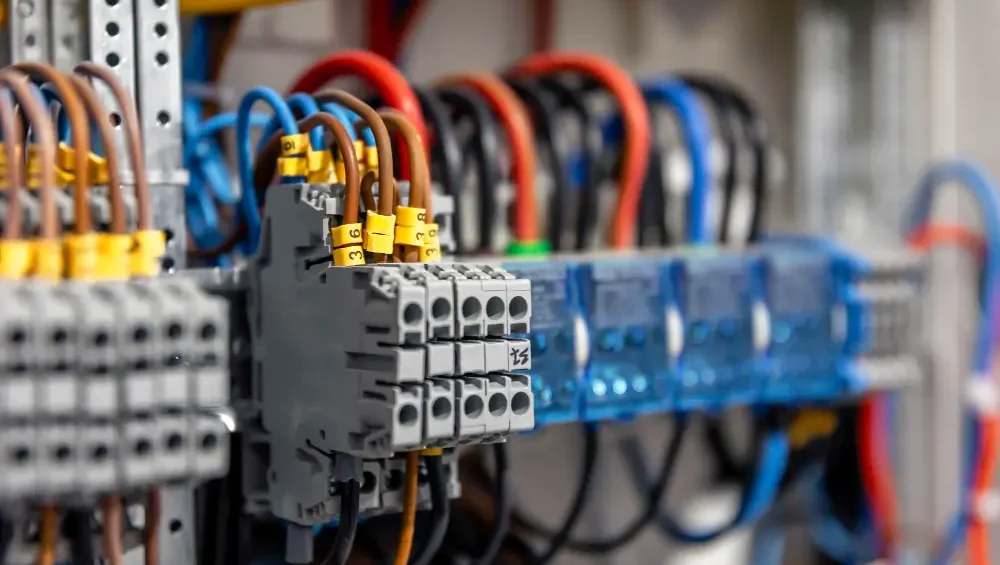
TL;DR: Sourcing wholesale electrical supply in bulk requires a precise technical RFQ, verified certificates, batch control, correct cable specifications, safe packaging, and a landed-cost comparison. Buyers should define cable type, conductor material, cross-section, insulation, voltage rating, standards, drum or coil packaging, and related components before comparing…
TL;DR: Sourcing wholesale electrical supply in bulk requires a precise technical RFQ, verified certificates, batch control, correct cable specifications, safe packaging, and a landed-cost comparison. Buyers should define cable type, conductor material, cross-section, insulation, voltage rating, standards, drum or coil packaging, and related components before comparing suppliers. This guide explains how wholesale buyers can source electrical wire supply wholesale, compare electrical wholesale supply offers, and reduce import risk when buying cables and components from Turkey.
Define the Electrical Scope Before Asking for Prices
Electrical sourcing becomes risky when buyers ask for a broad price list before defining the exact product scope. A supplier cannot quote accurately if the buyer only says cable, wire, breaker, socket, or panel accessory. The buyer needs to specify the application, standard, quantity, packaging, and destination requirement.
A wholesale electrical order may include power cables, installation wires, low-voltage cables, copper conductors, aluminum conductors, fuse boxes, switches, sockets, conduits, cable trays, connectors, terminals, distribution accessories, and project components. Start by reviewing TPI’s electrical category and separating cable products from accessories.
Cable and Component Categories to Include
Cables usually drive the largest technical risk in an electrical import order. Buyers should separate single-core wire, multi-core cable, flexible cable, control cable, building wire, power cable, and specialty cable. Each type may require a different conductor, insulation, voltage rating, flame behavior, and packing format.
| Product group | Examples | Key sourcing check |
|---|---|---|
| Cables and wires | Building wire, power cable, flexible cable, control cable | Conductor, cross-section, insulation, voltage rating, standard |
| Distribution components | Fuse boxes, terminals, connectors, panel accessories | Rating, material, certificates, carton protection |
| Installation products | Sockets, switches, conduits, cable trays, accessories | Compatibility, packaging, labeling, replacement continuity |
For cable-focused sourcing, use TPI’s wholesale electrical cables category. For conductor-related products, review the electrical power copper category.
Cable Spec Checklist for Wholesale Buyers
A cable RFQ should include conductor material, conductor class, nominal cross-sectional area, number of cores, insulation material, sheath material, voltage rating, operating temperature, flame or smoke requirement, color, marking, standard, length per coil or drum, and packaging method.
- Define application and destination standard.
- Confirm conductor material, size, number of cores, and voltage rating.
- Specify insulation, sheath, color, marking, and length.
- Request test reports, product marking examples, and batch traceability.
- Confirm coil, reel, drum, carton, pallet, or custom export packing.
For electrical wire supply wholesale, small differences in conductor size, insulation quality, or coil length can change both price and performance.
How to Qualify Electrical Suppliers
A qualified electrical supplier should understand the standards and documentation required for the buyer’s destination market. Ask for company details, product scope, export experience, certificates, test reports, photos of production or stock, packaging examples, and references where appropriate.
- Good suppliers ask technical questions before final pricing.
- Weak suppliers push generic catalog items without confirming application.
- Reliable suppliers explain standard, voltage, conductor, and packaging differences.
- Bulk buyers should avoid quotes that do not define product marking and document scope.
If a buyer is sourcing several construction categories at once, TPI’s construction materials supplier guide explains how to compare multiple categories and manage landed cost across a consolidated shipment.
Certificates, Batch Control, and Inspection
Electrical products often require stricter document control than simple finishing materials. Depending on the product and destination market, buyers may need conformity certificates, test reports, declarations, labeling details, or project-specific approval documents. The supplier should confirm which documents are available before production begins.
Batch control is especially important for cables. Ask how production batches are identified, whether test data can be linked to the shipment, and whether markings on the product and packaging match the documents. For repeat orders, keep approved samples and reference data so future shipments can be checked against the same standard.
Cost Drivers in Wholesale Electrical Supply
Electrical product pricing depends on raw material, conductor type, cross-section, insulation, standard, order quantity, packaging, testing, and market timing. Copper-heavy products can move with raw material prices, so quote validity matters. Buyers should confirm how long the quote is valid and whether the supplier can hold pricing after deposit.
When comparing wholesale electrical supply online, check whether the listed price includes the same cable length, conductor size, certification level, and packaging. Online catalog pricing is useful for orientation, but bulk procurement should be confirmed through a formal RFQ.
Packaging and Logistics for Cables and Components
Cable packaging can be coils, reels, drums, cartons, pallets, or custom export packing. The right format depends on cable size, order quantity, handling method, and destination warehouse setup. Heavy drums must be secured properly. Smaller coils need consistent length, labeling, and carton protection.
Electrical components should be packed to avoid cracked housings, bent terminals, moisture exposure, and carton collapse. If cables and components ship together, the packing plan should prevent heavy drums or pallets from damaging smaller accessories. For related distribution products, review TPI’s electrical fuse box category.
RFQ Checklist for Cables and Components
- Product type, standard, conductor, cross-section, number of cores, and insulation.
- Voltage rating, color, marking, length, and packaging format.
- Destination country, required documents, and inspection requirement.
- Incoterm, target shipment date, quantity, and quote validity.
- Private label artwork and approval timing if required.
FAQ
What does wholesale electrical supply include?
It can include electrical cables, building wires, sockets, switches, fuse boxes, terminals, connectors, conduits, distribution accessories, and related components for contractors, retailers, and project buyers.
How do I compare electrical wholesale supply quotes?
Compare exact specifications, standards, certificates, quantity, packaging, Incoterm, lead time, freight impact, and landed cost. Do not compare cable price without checking conductor and length details.
What should I check before importing cables?
Check conductor material, cross-section, insulation, voltage rating, standard, markings, length, batch control, test reports, packaging, and destination compliance requirements.
What cable specifications should be included in an RFQ?
Include cable type, conductor material, conductor class, cross-section, number of cores, insulation, sheath, voltage rating, color, marking, length, packaging format, and destination standard.
Do electrical cables need certificates for import?
Often yes, but the exact requirement depends on product type and destination market. Ask suppliers for conformity documents, test reports, product data sheets, and marking examples before order approval.
How important is cable marking?
Cable marking is important because it helps verify type, size, voltage, standard, and sometimes batch or manufacturer information. Markings should match the invoice, packing list, and technical documents.
Should I choose copper or aluminum conductors?
The right conductor depends on application, standard, budget, and project requirements. Copper is common for many electrical uses, while aluminum may be used where weight and cost targets fit the technical requirement.
How does raw material pricing affect wholesale electrical supply?
Copper-heavy and metal-heavy products can change with raw material markets. Buyers should confirm quote validity, price adjustment rules, and whether pricing can be held after deposit.
Can I source cables and electrical components together?
Yes, but the buyer should separate technical specifications and packaging requirements by product family. Consolidation can reduce logistics complexity when managed correctly.
What MOQ should I expect for electrical cables?
MOQ depends on cable type, standard, conductor, color, marking, length, and whether the order is stock or custom production. Custom markings or private label packaging usually increase MOQ.
How should cables be packed for export?
Cables may ship as coils, reels, drums, cartons, or pallets. The right format depends on cable size, handling method, order quantity, warehouse setup, and the need to prevent moisture or deformation.
Useful for your buying team?
Share or save this guide before the next supplier comparison.