TL;DR: Bulk window procurement should begin with an approved window schedule, opening dimensions, operating type, profile system, color, glazing build-up, hardware, performance requirements and installation responsibility. Compare quotations line by line because a cheaper unit may exclude glass, reinforcement, accessories, screens, packing or site support. Approve shop…
Start with a Controlled Window Schedule
A request such as “200 white UPVC windows” is not enough for production pricing. The supplier needs a schedule that gives every unit a unique mark and connects it to drawings, dimensions, quantity, opening direction, glazing and hardware. Dimensions must use one agreed convention and clearly state whether they refer to the structural opening, manufacturing size or finished frame size.
Identify fixed, casement, tilt-and-turn, sliding or lift-and-slide units separately. Show handing from an agreed viewing side and include special conditions such as bathroom privacy glass, restricted openings, ventilation requirements or connection to façade elements. Responsibility for final site measurement should also be written into the commercial scope.
- Window reference and quantity
- Width, height and dimension convention
- Opening type, sash arrangement and handing
- Profile system, visible color and finish
- Glazing build-up and spacer requirements
- Hardware, handle and accessory schedule
- Required drawings, tests and installation scope
Compare Profile and Opening Configurations
| Configuration | Best RFQ information | Main buying check |
|---|---|---|
| Fixed window | Frame size, glazing and drainage details | Glass retention and installation interface |
| Casement window | Handing, sash size, hinges and locking points | Hardware capacity and clear operation |
| Tilt-and-turn | Operating sequence and complete hardware set | System compatibility and adjustment access |
| Sliding window | Fixed/moving panels, rails, handle and lock | Track, rollers, drainage and meeting stiles |
| Lift-and-slide unit | Panel weights, threshold and operating hardware | Hardware sizing, transport and installation plan |
Profile depth or chamber count should not be used as a stand-alone quality claim. Buyers need to evaluate the complete manufactured unit, including profile design, reinforcement where specified, corner fabrication, seals, glazing, hardware, drainage and installation interface. Ask the supplier to identify the exact profile series and components offered.
Specify Glazing, Hardware and Accessories
Glazing can represent a major part of the window’s cost and performance. State the number and thickness of panes, cavity or spacer build-up, glass type, coating orientation where applicable, safety-glass locations and any privacy requirement. Do not accept a quotation that says only “double glass” when the project needs a defined build-up.
Hardware should be scheduled by opening type and unit size. Confirm hinges, rollers, locking points, handles, restrictors, keeps and required fasteners. Ask whether insect screens, sills, trim profiles, connection pieces, fixing brackets, sealants or installation consumables are included. These small items can delay installation when they are assumed rather than listed.
Match Performance Requirements to the Destination
UPVC window suppliers should receive the project’s performance requirements before selecting a system. Wind exposure, water penetration, air leakage, thermal behavior, sound control, security and operating cycles may matter differently by building and destination. The responsible designer should identify the required values and accepted test or classification basis.
Request reports that correspond closely to the proposed system, dimensions, opening type and glazing. A report for a small fixed window may not support a large sliding unit. Requirements also vary by market, so the article should not replace local code review. TPI’s architectural engineering services can be considered when project teams need coordinated schedules and technical interfaces.
Approve Shop Drawings and a Representative Sample
Shop drawings should show overall size, frame and sash arrangement, opening direction, profile references, glazing, reinforcement where required, drainage, hardware and interfaces with the opening. The buyer, architect and contractor should resolve discrepancies before production release. Written approval must identify the drawing revision and any approved exceptions.
A representative sample or mock-up helps review appearance, weld finishing, color, glazing beads, gaskets, hardware operation, protective film and labeling. Select a sample that includes meaningful project features rather than the simplest fixed unit. Record all comments and require corrected approval where necessary; verbal sample observations are difficult to enforce later.
Compare MOQ, Pricing and Scope Inclusions
Window MOQ may be defined by total project value, profile color, profile series, glass type or hardware order rather than by one universal unit count. Custom colors, uncommon glass and special hardware can create separate minimums and longer lead times. Ask for design approval, material procurement, production and dispatch durations separately.
For a fair comparison, use the same window schedule and request a price for every reference. Confirm whether glazing, reinforcement, hardware, handles, screens, sills, packaging, inland transport, inspection and export documentation are included. The construction-materials supplier guide explains how to normalize quotations before comparing the landed result.
Plan Labeling, Packaging and Transport
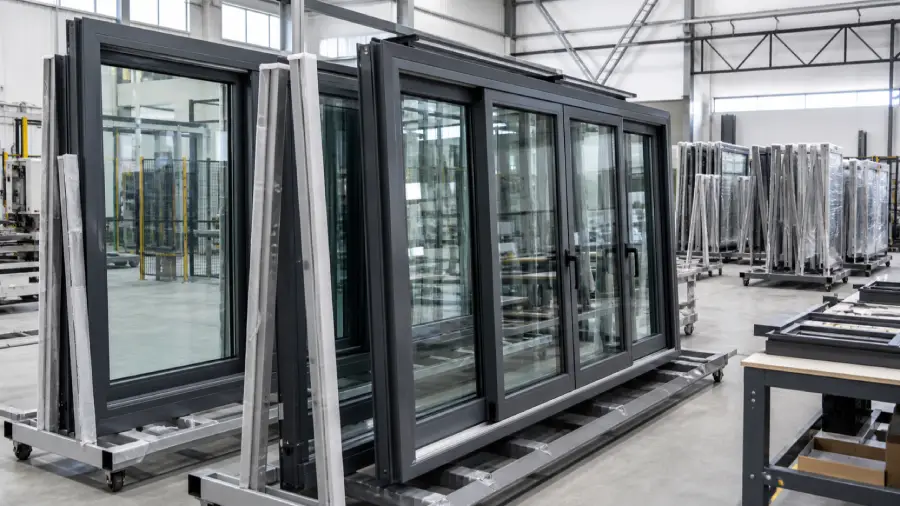
Bulk UPVC windows are vulnerable to frame distortion, scratched profiles, broken glazing and lost accessories when packing is not connected to the installation sequence. Each unit should carry a durable reference matching the window schedule. Loose hardware and accessories must be packed and labeled so the site team can assign them to the correct floor, elevation or apartment.
Agree whether units will use racks, crates or another project-specific method. Confirm lifting points, rack dimensions, gross weights, stacking restrictions and unloading equipment. Large glazed sliding units may need special handling and installation planning. Protective film is temporary protection, not a substitute for secure separation and weather-conscious storage.
Before arranging freight, review route dimensions, container access, glass risk, insurance and destination unloading. The broader guide to importing construction materials from Turkey provides context for documentation and shipment coordination.
UPVC Window RFQ Checklist
- Issue the latest architectural drawings and window schedule.
- Define the dimension convention and site-measurement responsibility.
- List opening type, handing, profile series and color by reference.
- Specify the complete glazing build-up.
- Attach hardware, accessory and screen requirements.
- State project performance values and accepted evidence.
- Request shop drawings and a representative approval sample.
- Require itemized prices and a complete inclusion/exclusion list.
- Request packaging, labels, rack sizes, weights and loading plan.
- Define inspection, defect reporting and replacement procedures.
Frequently Asked Questions
What do UPVC window suppliers need to prepare a quote?
They need drawings, a window schedule, dimensions, quantities, opening types, profile and color requirements, glazing, hardware, performance criteria, destination and requested commercial terms.
What is the MOQ for UPVC windows?
MOQ varies with supplier, profile series, color, glass and hardware. Ask which components create minimum production quantities and whether different window references can be combined.
Should windows be ordered from architectural opening sizes?
Only when the contract clearly defines deductions and responsibility. The buyer and supplier must agree whether each dimension is an opening, frame or manufacturing size before approving production drawings.
How should buyers specify double glazing?
State the pane thicknesses, cavity or spacer, glass types, coatings where applicable, safety requirements and locations. The phrase “double glazing” alone is incomplete.
Is a higher chamber count always better?
No single profile feature proves the performance of the complete unit. Evaluate the proposed system, fabrication, reinforcement, glazing, seals, hardware, tests and installation together.
Why are shop drawings important?
They convert architectural intent into manufacturable units and expose dimension, opening, glazing, hardware and interface conflicts before production. Approve a controlled revision in writing.
Should wholesale buyers request a sample window?
Yes, especially for a repeated project type. Use it to check appearance, fabrication, hardware operation, glazing details, labels and packaging expectations before releasing the full order.
How are UPVC windows protected during export?
Protection may include unit labels, profile film, separators, corner protection, secure racks or crates and controlled loading. The method should match unit size, glazing and destination handling.
Who is responsible for installation?
Responsibility depends on the contract. State whether the supplier provides only units, installation drawings, supervision, consumables or complete installation, and define the opening-preparation interface.
How can a project buyer request a UPVC window quote?
Send the drawings, window schedule, destination, required documents and delivery target through TPI’s project sourcing contact page.
Useful for your buying team?
Share or save this guide before the next supplier comparison.